How to Explain Street Photography to People Who Don’t Get It
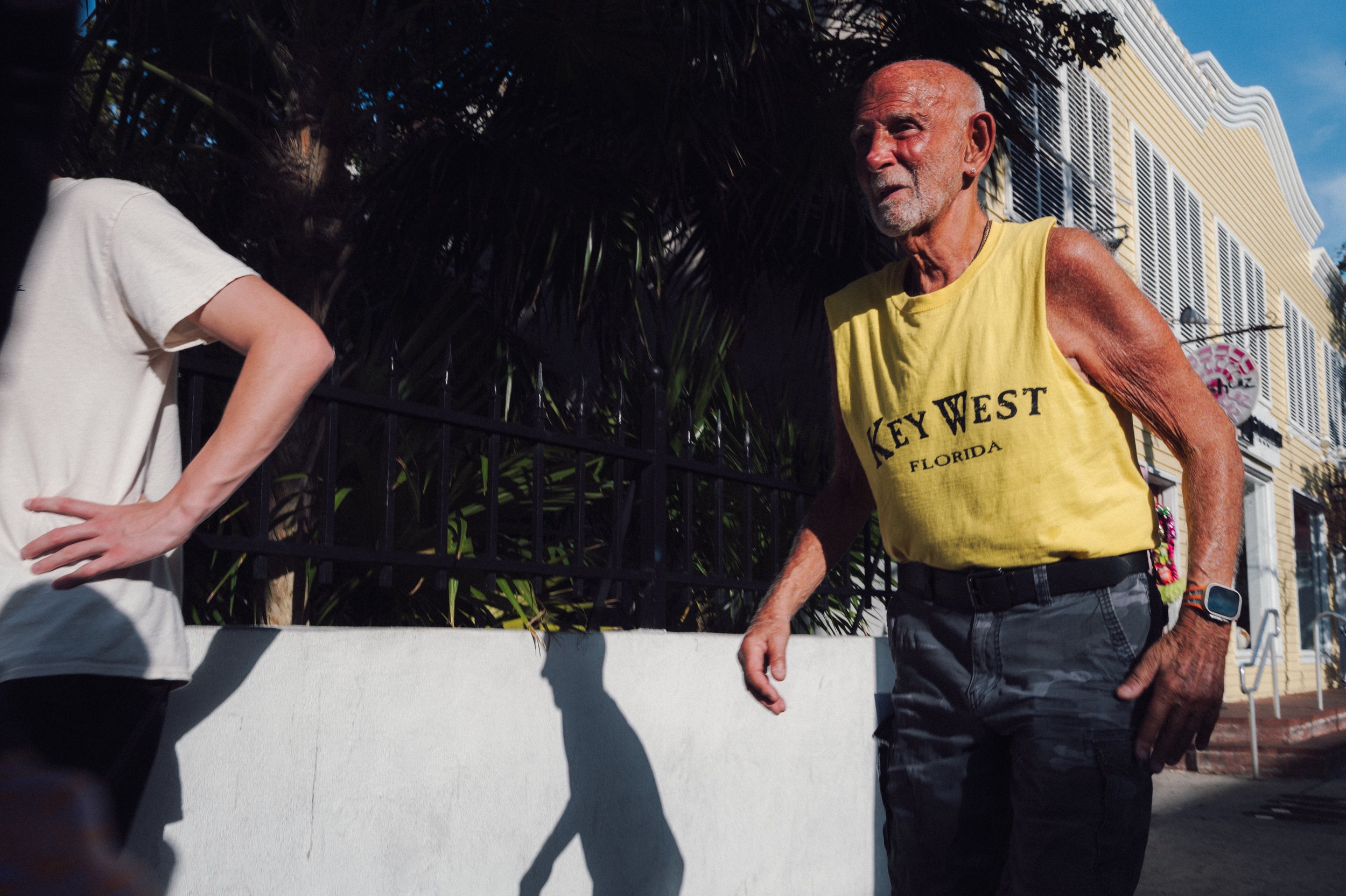
A man walks down the street in Key West’s old town
Street photography has a branding problem. To those of us inside the genre, it’s an old, human tradition—observing public life and recording it honestly. To people outside the street photography community, however, it can look strange. Sometimes even unsettling. A stranger with a camera, no obvious subject, no clear commercial purpose, quietly photographing people who didn’t ask to be photographed can register as… weird.
That reaction isn’t irrational. It’s human. Understanding that is the first step to explaining street photography in a way that lowers defenses rather than raises them.
Why Street Photography Can Feel “Weird” to Outsiders
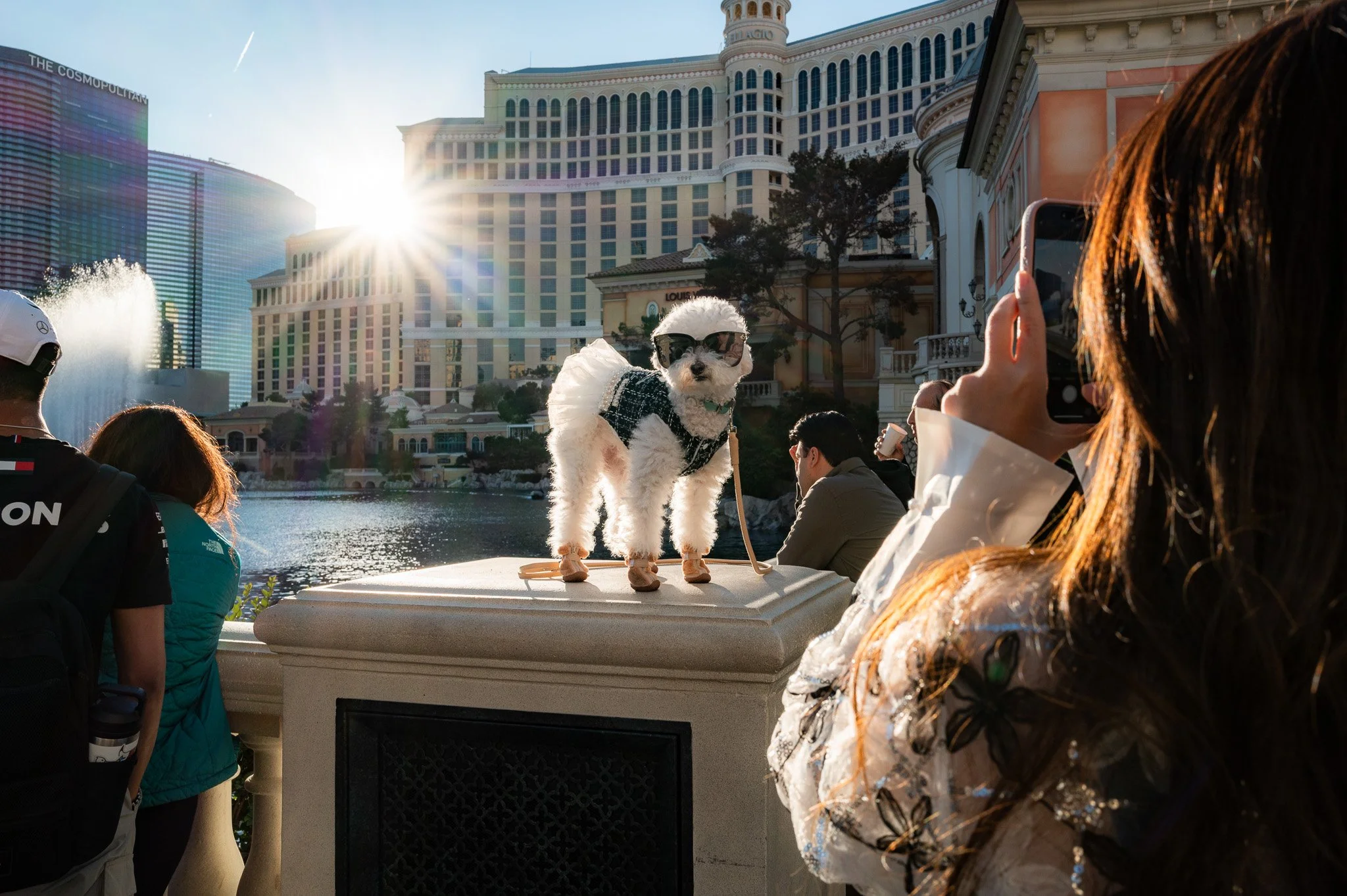
A woman photographs a dog on the Las Vegas Strip
Most people are used to photography having a clear reason. Weddings. Portraits. Events. Tourists photographing landmarks. Street photography breaks that pattern. It’s unscripted, observational, and often invisible by design.
To someone unfamiliar with the genre, candid photography can feel like surveillance or judgment, even when it isn’t. Add in the cultural discomfort many people have with being photographed at all, and suspicion makes sense.
Acknowledging this openly—rather than dismissing it—is key to having calm, respectful interactions as a street photographer.
A Simple Way to Describe Street Photography
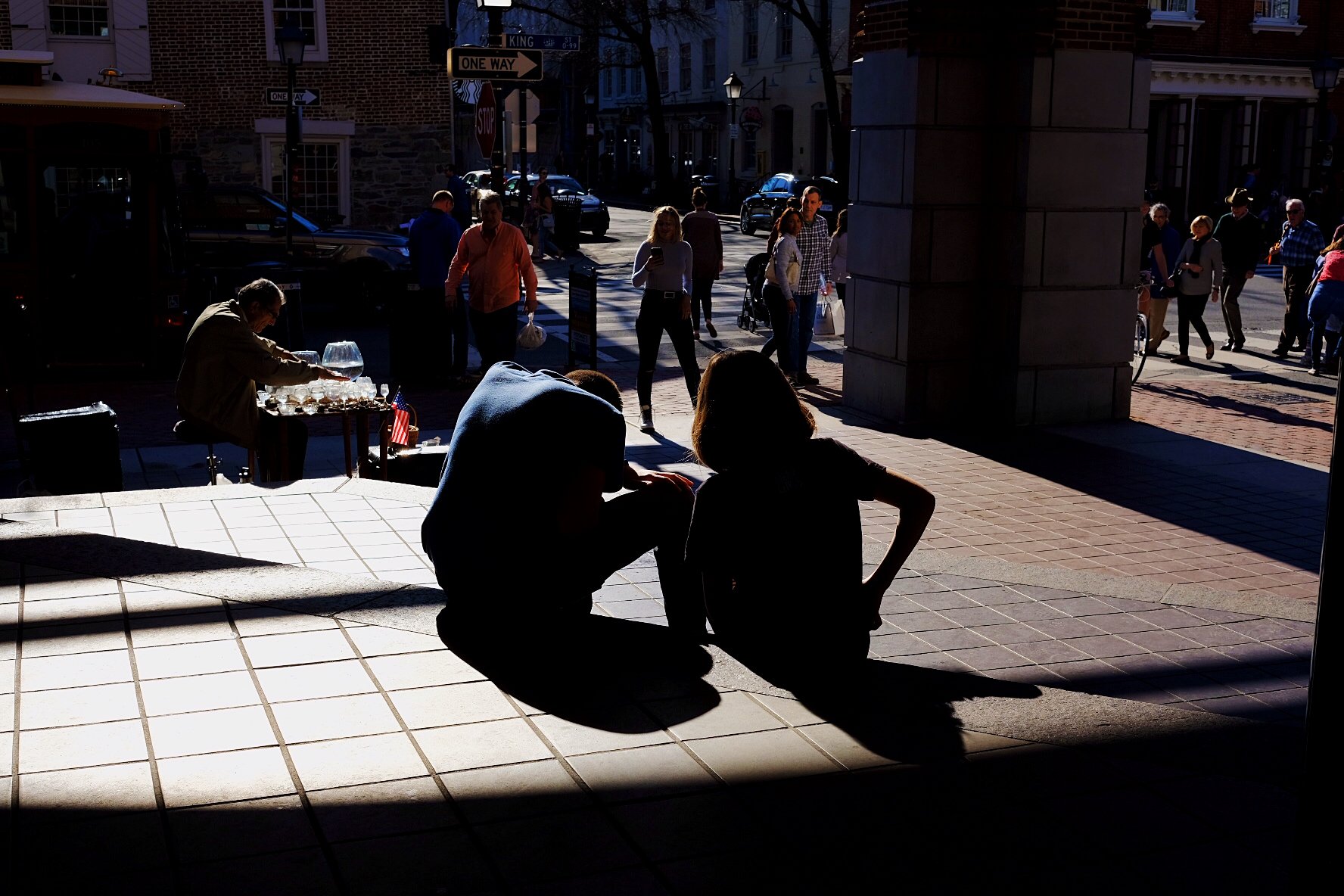
A couple sit on stairs in late afternoon light
When someone asks what you’re doing, the best explanations are short, human, and non-technical. Avoid jargon. Avoid defensiveness.
Here are a few clear, unthreatening ways to explain street photography:
“I’m documenting everyday life in public spaces.”
“I photograph candid moments the way a writer takes notes.”
“I’m working on a personal project about how people move through the city.”
“It’s like visual anthropology—nothing staged, nothing personal.”
These explanations reframe street photography as observation, not extraction. They emphasize curiosity rather than intrusion.
What Not to Say
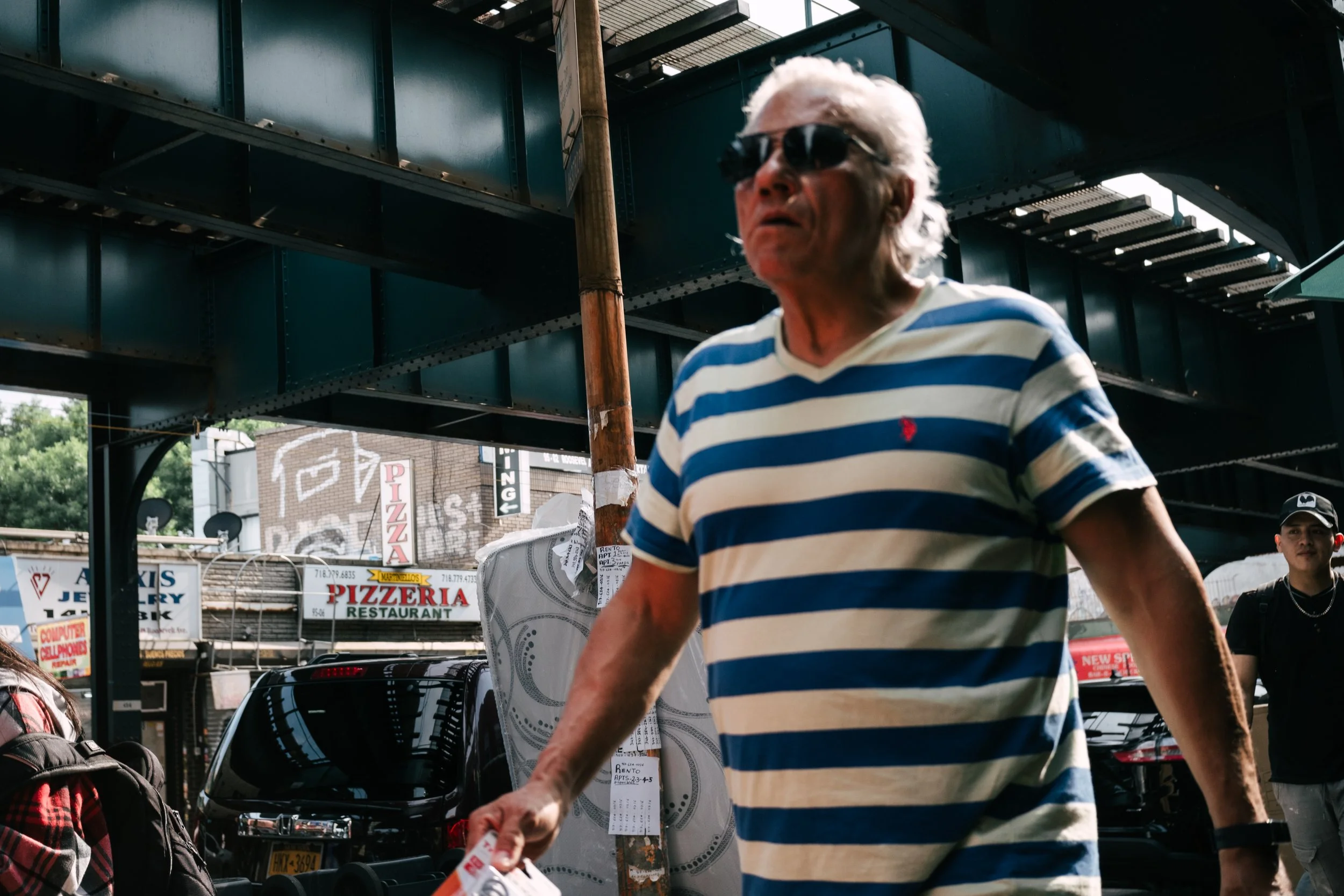
A man walks under the 7 Line tracks in Jackson Heights, Queens
Certain responses escalate tension even if they’re legally accurate.
Statements like “It’s legal,” or “You’re in public,” may be true, but they sound confrontational. Street photography isn’t about winning arguments. It’s about remaining present long enough to keep working.
Avoid sounding like you’re hiding behind rights. Lead with intention instead.
Staying Approachable While Shooting Street Photography
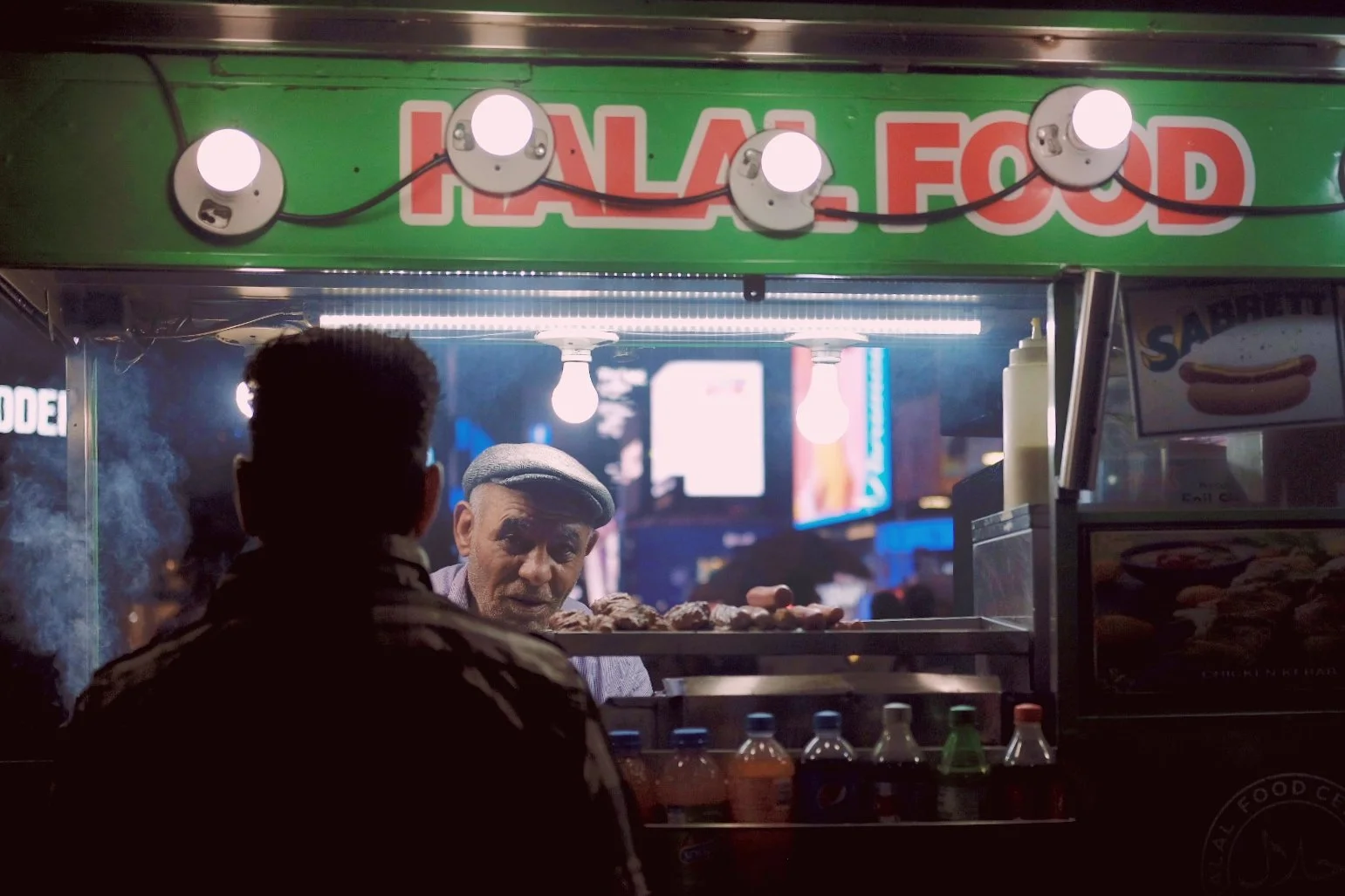
A food vendor in Times Square
Blending in is less about invisibility and more about normalcy. The goal is to look like someone who belongs where they are.
Dress plainly. Neutral colors help. Avoid large camera rigs or excessive accessories that signal performance rather than observation.
Move calmly. Sudden movements draw attention. Confidence reads as legitimacy; nervousness reads as guilt, even when none exists.
Most importantly, don’t act like you’re sneaking. Street photography works best when you behave as though what you’re doing is ordinary—because it is.
If Someone Is Suspicious or Confrontational
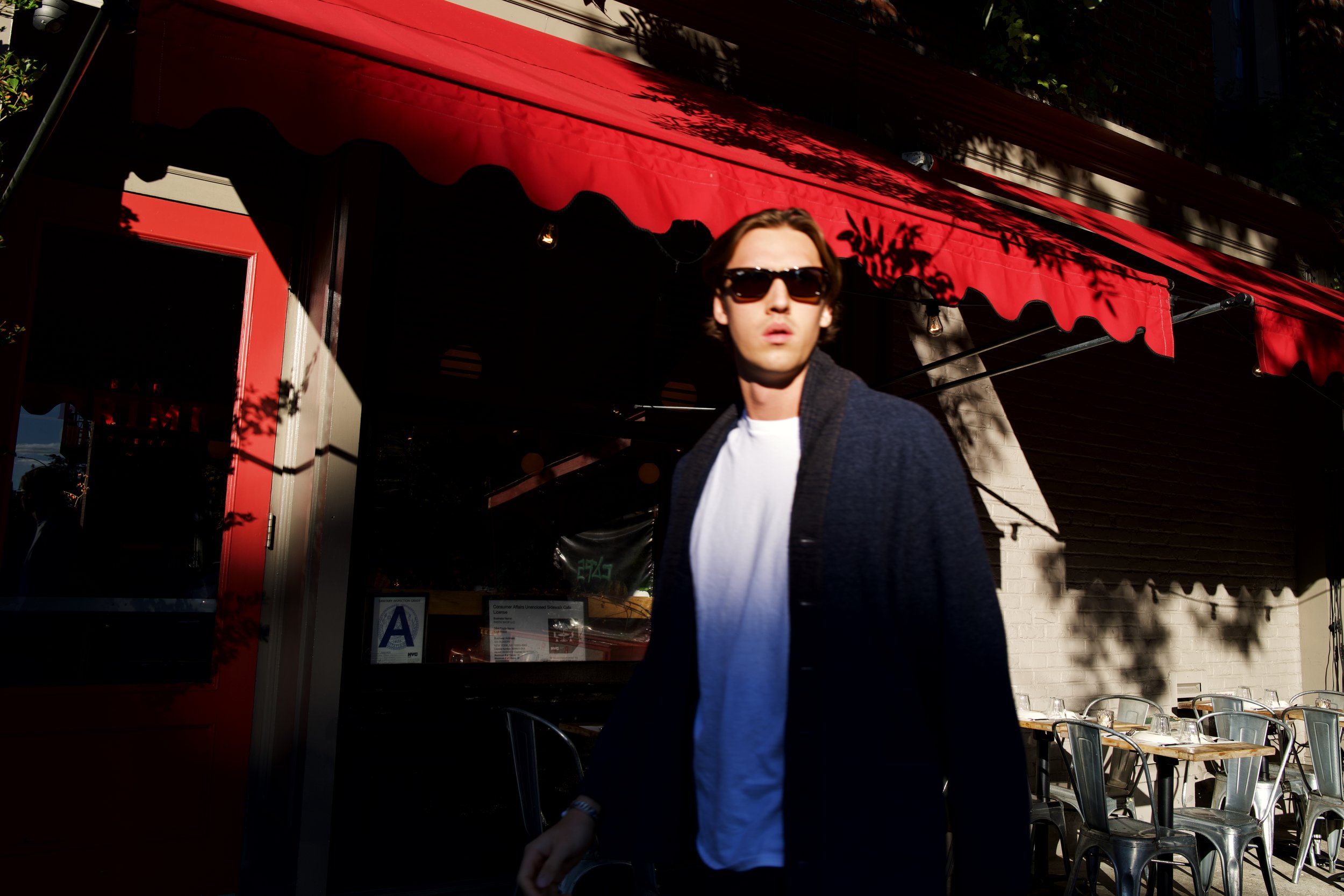
A pedestrian in Manhattan
Occasionally someone will ask why you photographed them or what the image is for. How you respond matters more than what you say.
A calm tone and open body language do most of the work. A simple explanation followed by an offer to move on or show the photo often diffuses tension.
You can say:
“I liked the light and the moment, but if you’re uncomfortable I won’t use it.”
“I’m not selling anything—this is just personal work.”
Street photography depends on trust in public space. Preserving that trust is more important than any single frame.
Why Explaining the Genre Matters
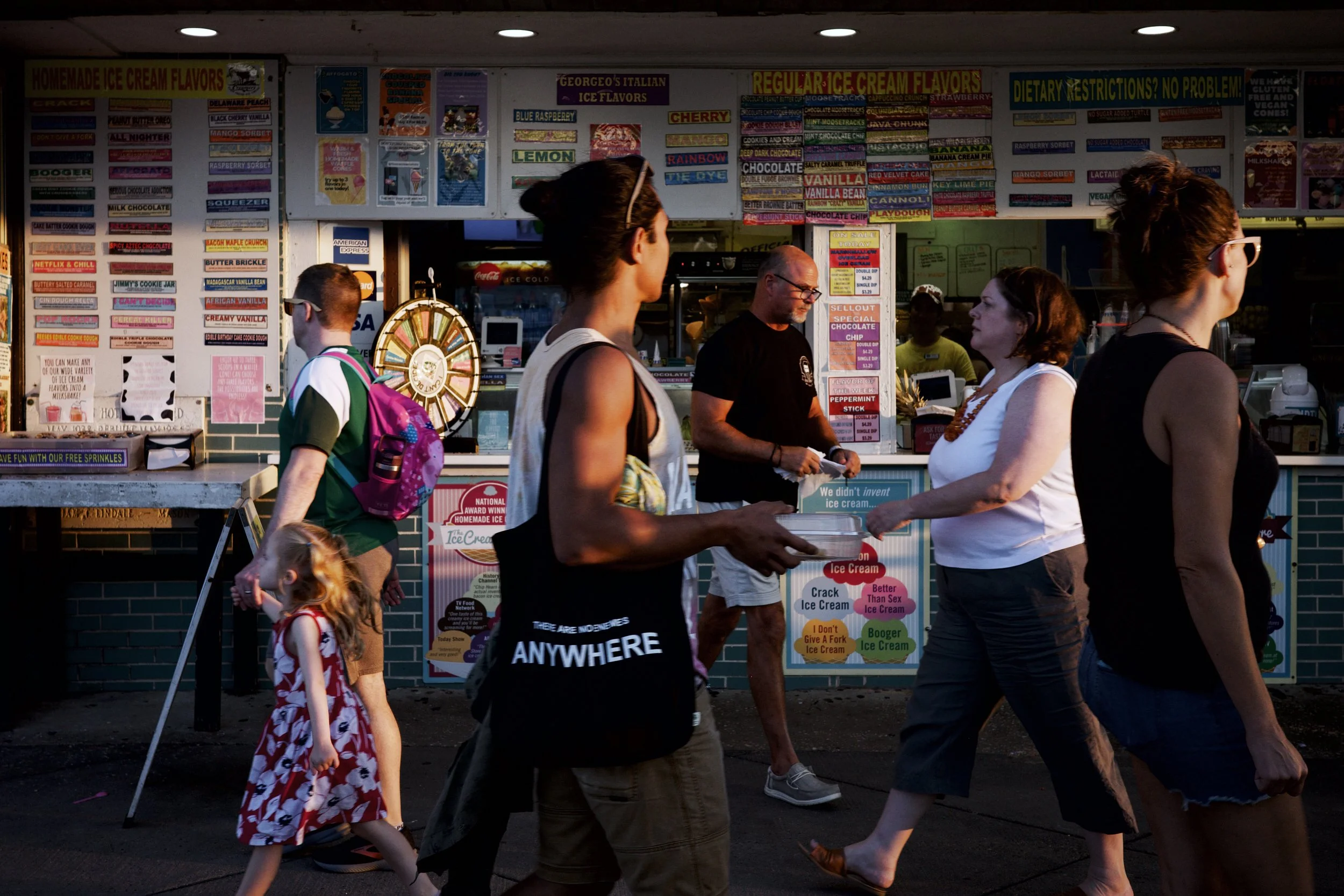
The Rehoboth Beach Boardwalk
Street photography survives because it’s quiet, patient, and human. Every respectful interaction helps normalize the idea that public life can be observed thoughtfully rather than exploited.
When you explain street photography well, you’re not just protecting yourself in the moment. You’re helping shape how the genre is understood by people who may never pick up a camera themselves.
And sometimes, the most meaningful outcome isn’t the photograph—it’s the brief moment when someone realizes they were seen not as a subject, but as part of a shared public story.
Street photography isn’t about taking something from strangers. It’s about paying attention, then leaving the scene no worse—and often a little more aware—than you found it.