Four Things I Wish I Knew Earlier About Street Photography
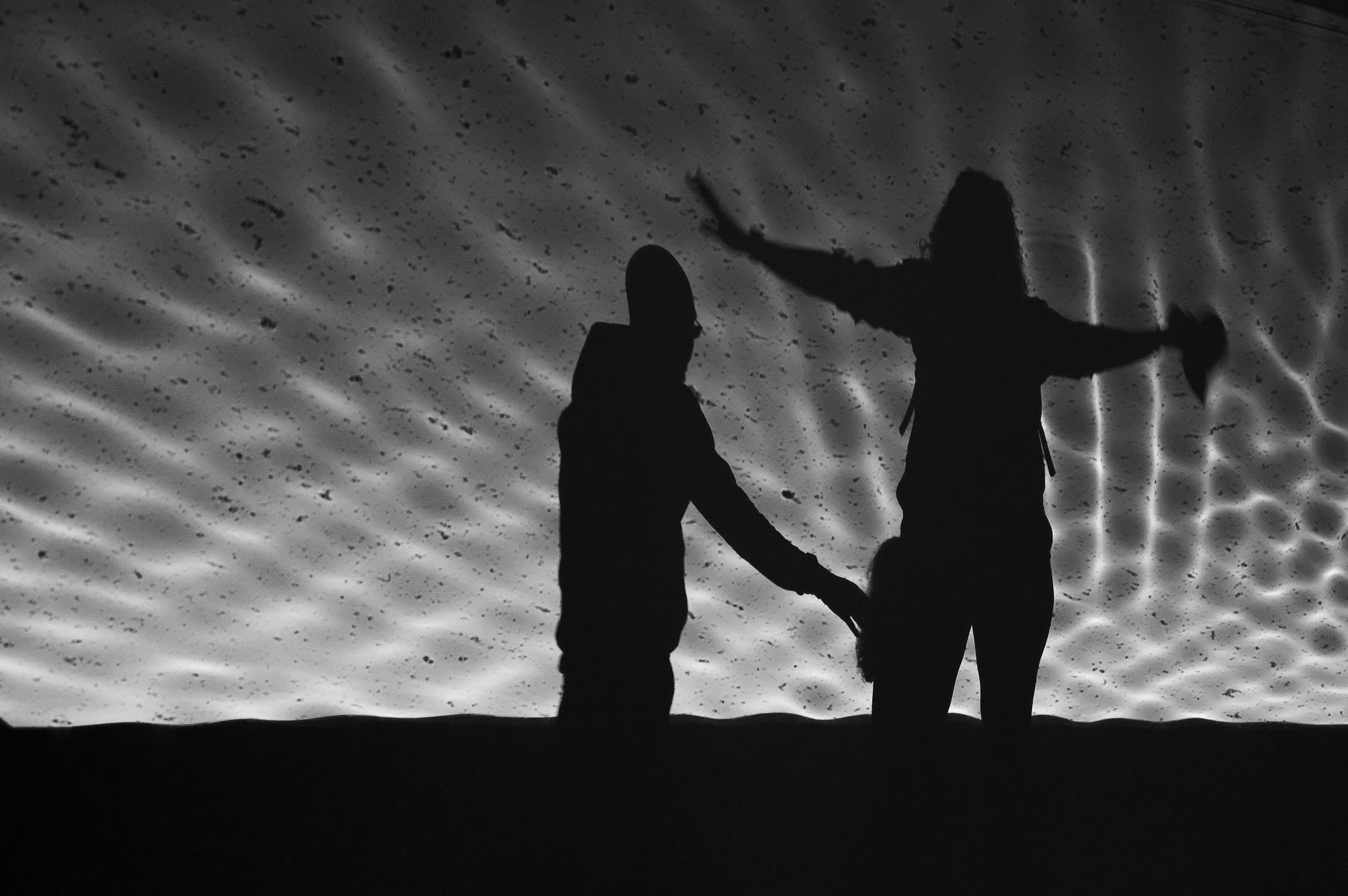
Silhouettes at an Art Exhibit
Street photography has a way of pulling you in slowly and then consuming you entirely. But the learning curve doesn't have to be as steep as it was for many of us. Here are four things I wish someone had told me when I was starting out.
1. Gear Matters — Just Not in the Way You Think
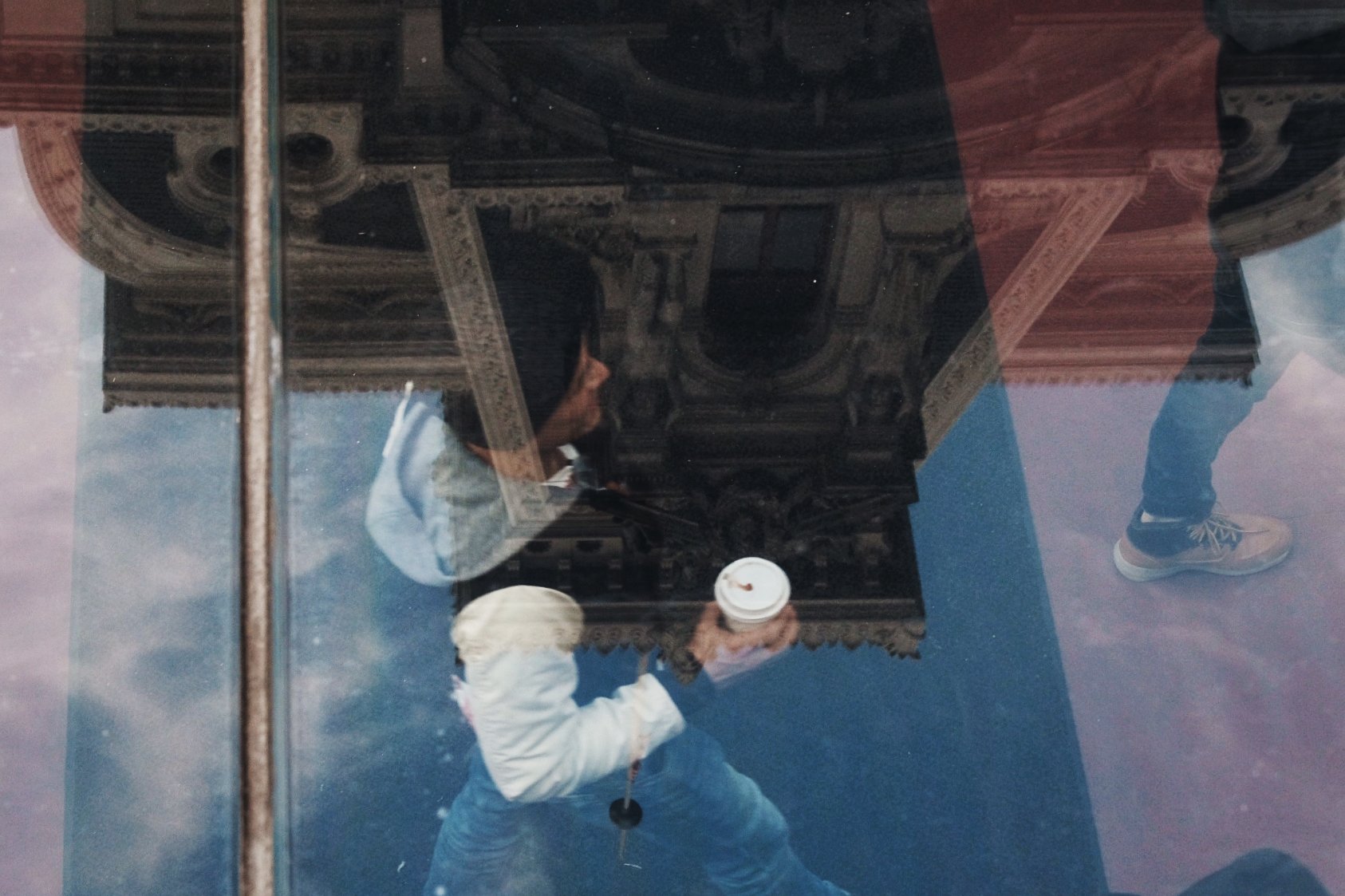
Commuters and Reflections at Philadelphia City Hall
The internet will happily send you down a rabbit hole of sensor comparisons, lens sharpness charts, and heated debates about which camera system reigns supreme. Most of it won't make you a better photographer.
Here's the truth: cameras have gotten so good that whether you're shooting with the latest flagship or a body a few generations old, the specs are going to be fine. Resolution, dynamic range, autofocus — any modern camera will handle street photography with ease.
What actually matters is whether you enjoy holding it. Do you reach for it instinctively when you head out the door? Does it feel right in your hand? A camera that inspires you to pick it up and shoot will always outperform a technically superior one that sits on your shelf. This is why traveling with one simple camera is often the smartest move you can make — and it pairs well with stripping back your settings to stay present and reactive on the street.
Buy the camera you love carrying, not the one with the best spec sheet.
And if budget is a concern, know that the used market is your friend. Sites like MPB, KEH, and even eBay are full of capable cameras at a fraction of their original price. A used body from a few years ago will handle everything street photography demands — and the money you save is money you can spend on time and travel to actually go shoot.
2. Develop Your Creativity Before Your Technical Skills
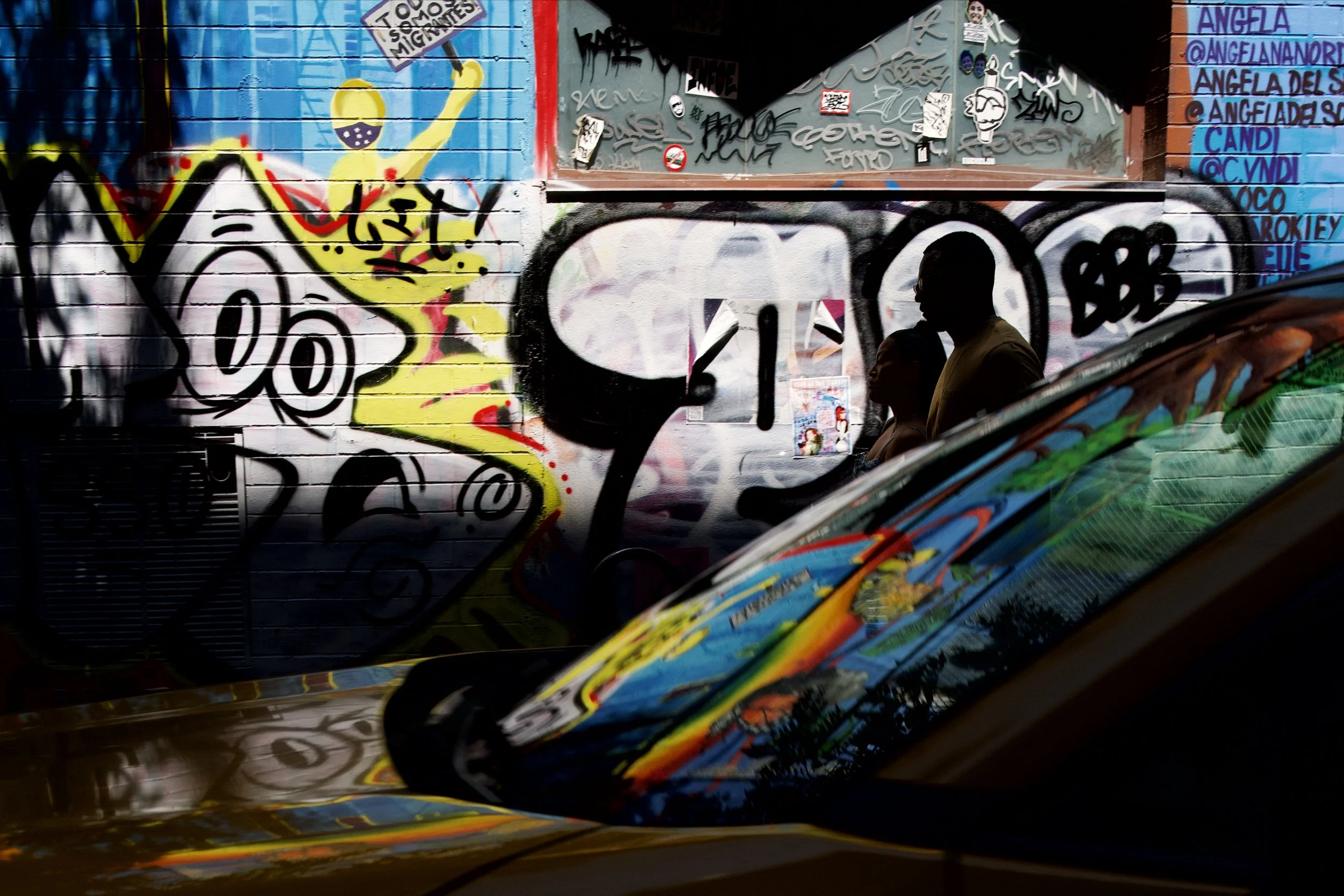
People Walk Past Street Art in Manhattan
Technical knowledge has a low ceiling and a fast learning curve. You can watch a couple of short YouTube videos and have a solid grasp of exposure — aperture, shutter speed, ISO — within an afternoon. I've written about some of my favorite YouTube channels for street photography if you want a head start. That part isn't the hard part.
The hard part is finding your voice as a street photographer. Developing an eye. Learning what you're drawn to and why. That work takes years and pays dividends that no firmware update ever will.
If you want to accelerate that process, spend time with books on creativity and seeing, not just photography manuals. I've shared my three essential street photography books elsewhere on the blog, and those are a great place to start. A few more worth your time:
The Creative Habit by Twyla Tharp — A choreographer's meditation on how creativity is built through routine and discipline. Surprisingly applicable to visual work.
Art & Fear by David Bayles and Ted Orland — An honest, reassuring look at the fears and obstacles that get in the way of making work, and how to keep making it anyway.
Ways of Seeing by John Berger — A short, sharp book that will permanently change how you look at images.
Read widely, shoot often, and trust that the voice will come.
3. Shoot What You Want, When You Want
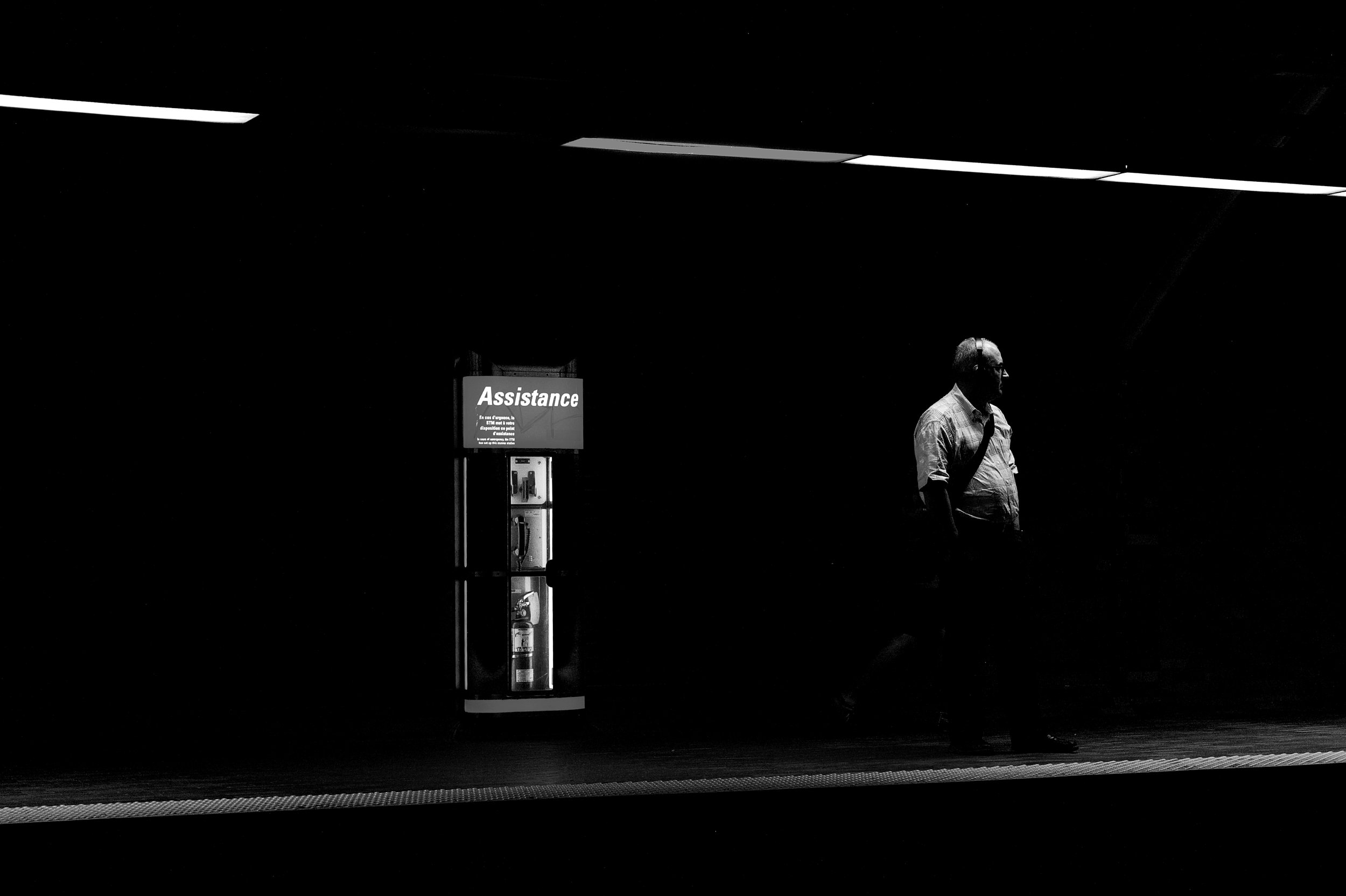
A Commuter on a Subway Platform
You've probably heard it said that "professionals have to produce no matter what" — that the mark of a serious photographer is the ability to find a great shot in any conditions, at any time of day.
That's fine advice if photography is your job. But if street photography is your hobby, you get to ignore it entirely.
If golden hour light is the only light that moves you, then shoot golden hour every single time — I once spent an entire session chasing that light inside Grand Central Terminal and it produced some of my favorite work. If you only feel like picking up your camera on overcast days, or only in your own neighborhood, or only on Sunday mornings — that's not a limitation, it's your aesthetic. Lean into it. And sometimes the best work comes from staying open to what the day actually gives you, as I wrote about in The Shot You Didn't Plan. The photographers whose work feels most distinctive usually have a very specific set of conditions they gravitate toward, and they've stopped apologizing for it.
Your hobby should bring you joy. Shoot what inspires you.
4. Don't Worry About Labels
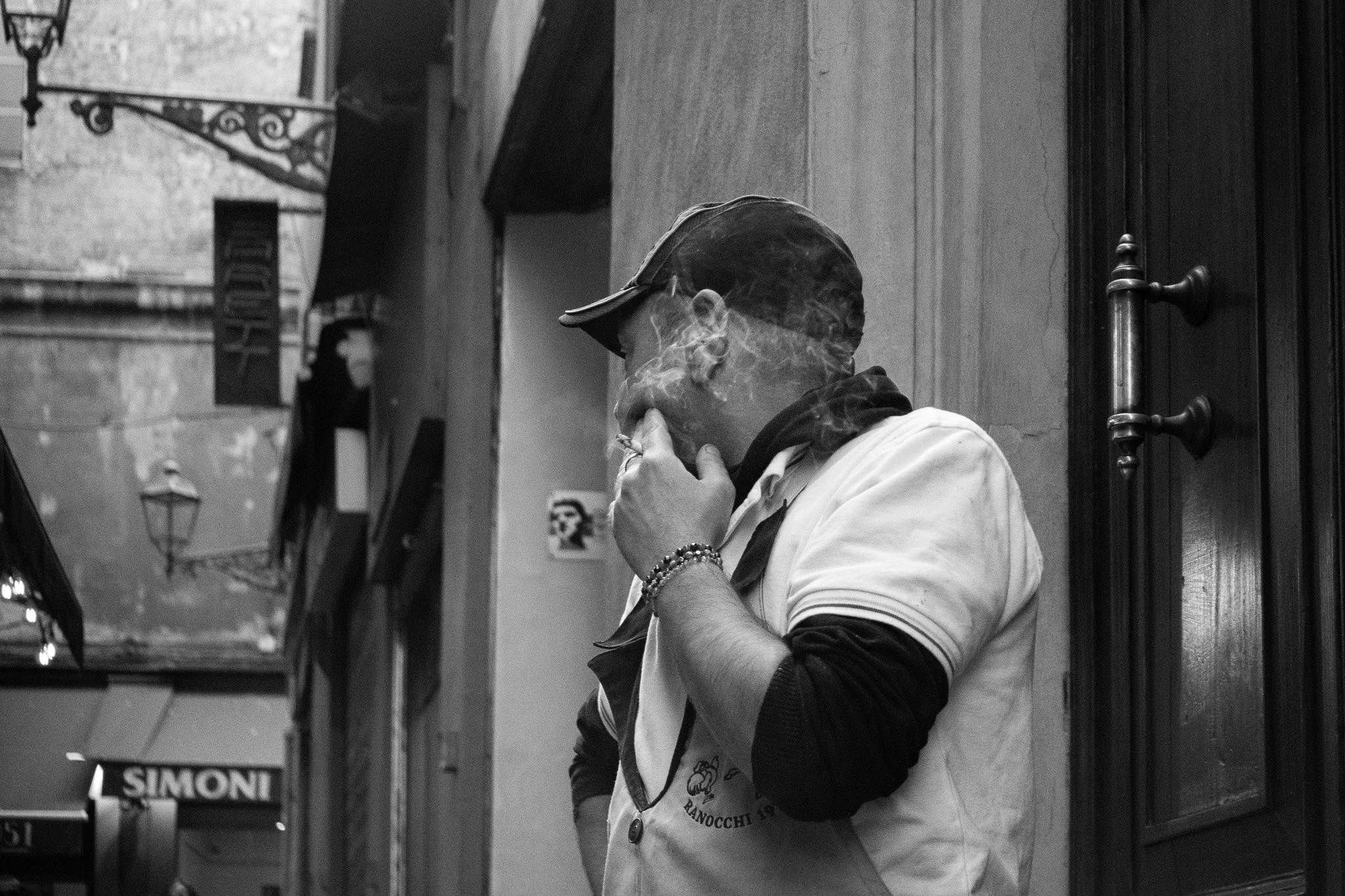
A Worker Takes a Smoke Break in Bologna
Street photography has no shortage of gatekeepers. Does it count if there's no person in the frame? Does it have to be candid? Does it have to be on an actual street? People will split hairs endlessly over definitions, and none of it matters.
Shoot what compels you. If an empty alley at dusk moves you, photograph it. If a posed portrait of a stranger feels like your kind of work, make it. The label someone else puts on it — street, documentary, urban landscape, whatever — is their business, not yours. If you've ever had to defend your work to a skeptic, this post on explaining street photography to people who don't get it might help. And if you're still exploring what kind of street photographer you are, it's worth reading about the difference between fishing and hunting on the street — both are valid, and neither is more "real" than the other.
The only thing that matters is whether you like the work you produce. If you do, you're on the right track.
Street photography is one of the most accessible and rewarding genres there is. Keep it simple, keep it personal, and don't let anyone — including the version of you that obsesses over gear and labels — get in the way of just going out and making street photographs.