The 3 Essential Street Photography Books for Every Collector
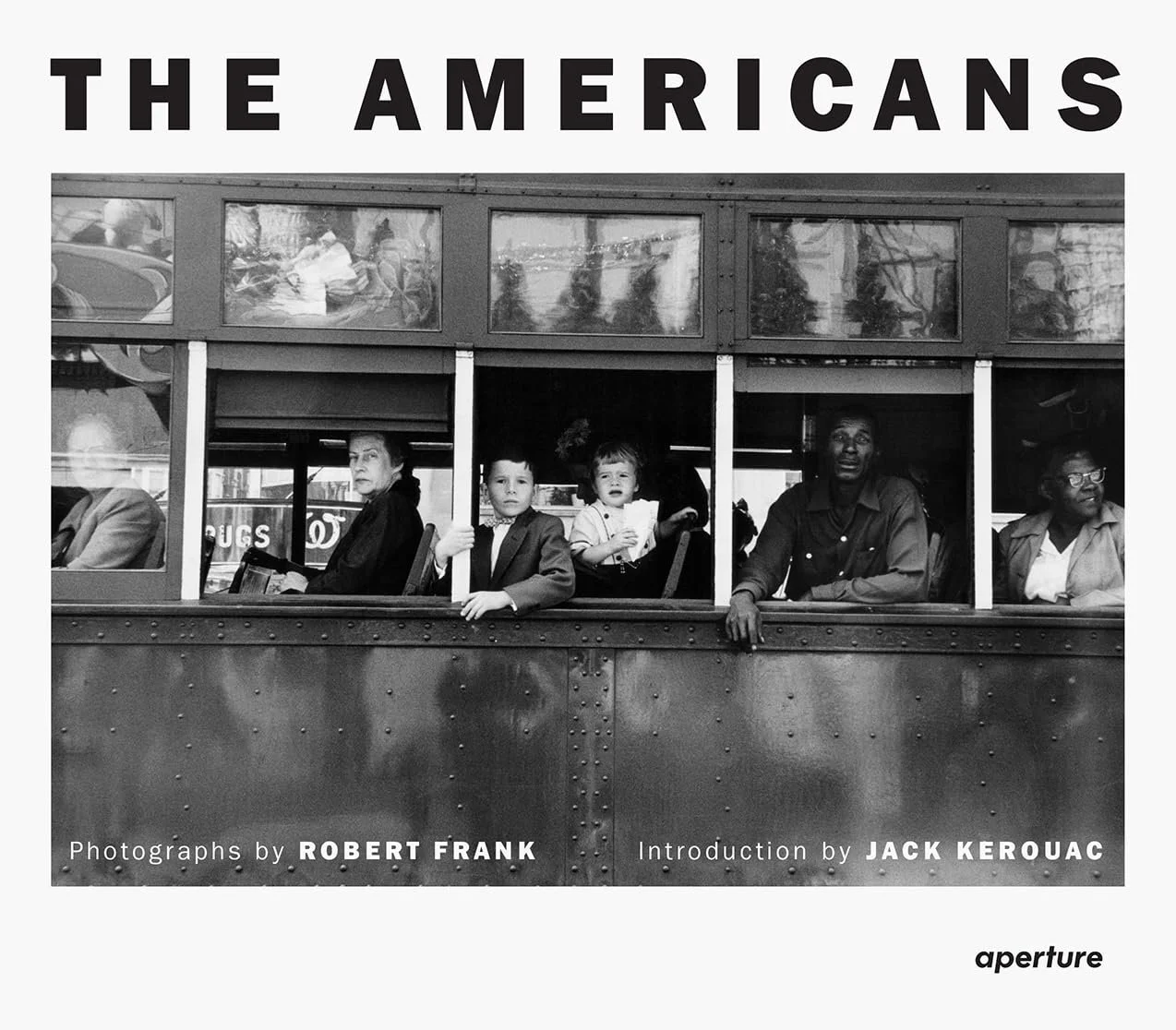
Robert Franks’s “The Americans,” from Aperture
Whether you are pounding the pavement in a bustling metropolis or capturing quiet moments in a small town, studying the masters is essential for any street photography enthusiast. To move beyond mere snapshots and toward intentional storytelling, we must look at the photobooks that defined the genre. To understand what street photography can be, it helps to study the photographers who shaped the genre in the first place. These books also help clarify the deeper purpose of candid photography—something I’ve written about when discussing how to explain street photography to non-photographers.
Here is a review of three foundational works that belong on every photographer's shelf: Robert Frank’s The Americans, Alex Webb’s The Suffering of Light, and Ernst Haas’s New York in Color.
1. Robert Frank: The Americans
If there is a "Year Zero" for modern candid photography, it is the publication of The Americans. Frank traveled across the United States in the mid-1950s, capturing a raw, often melancholic view of the country that clashed with the polished media of the era.
The Style: Gritty, high-contrast, and often featuring "imperfect" compositions (tilted horizons, motion blur).
The Lesson: Frank taught us that the feeling of a photo is more important than technical perfection. He showed that a sequence of images can tell a deeper, more critical story about society than a single "pretty" picture.
Frank traveled across the United States in the mid-1950s, capturing a raw, often melancholic view of the country that clashed with the polished media of the era. His work reminds us that street photography is often about mobility and intuition—an approach that pairs well with the philosophy of traveling light for street photography.
2. Alex Webb: The Suffering of Light
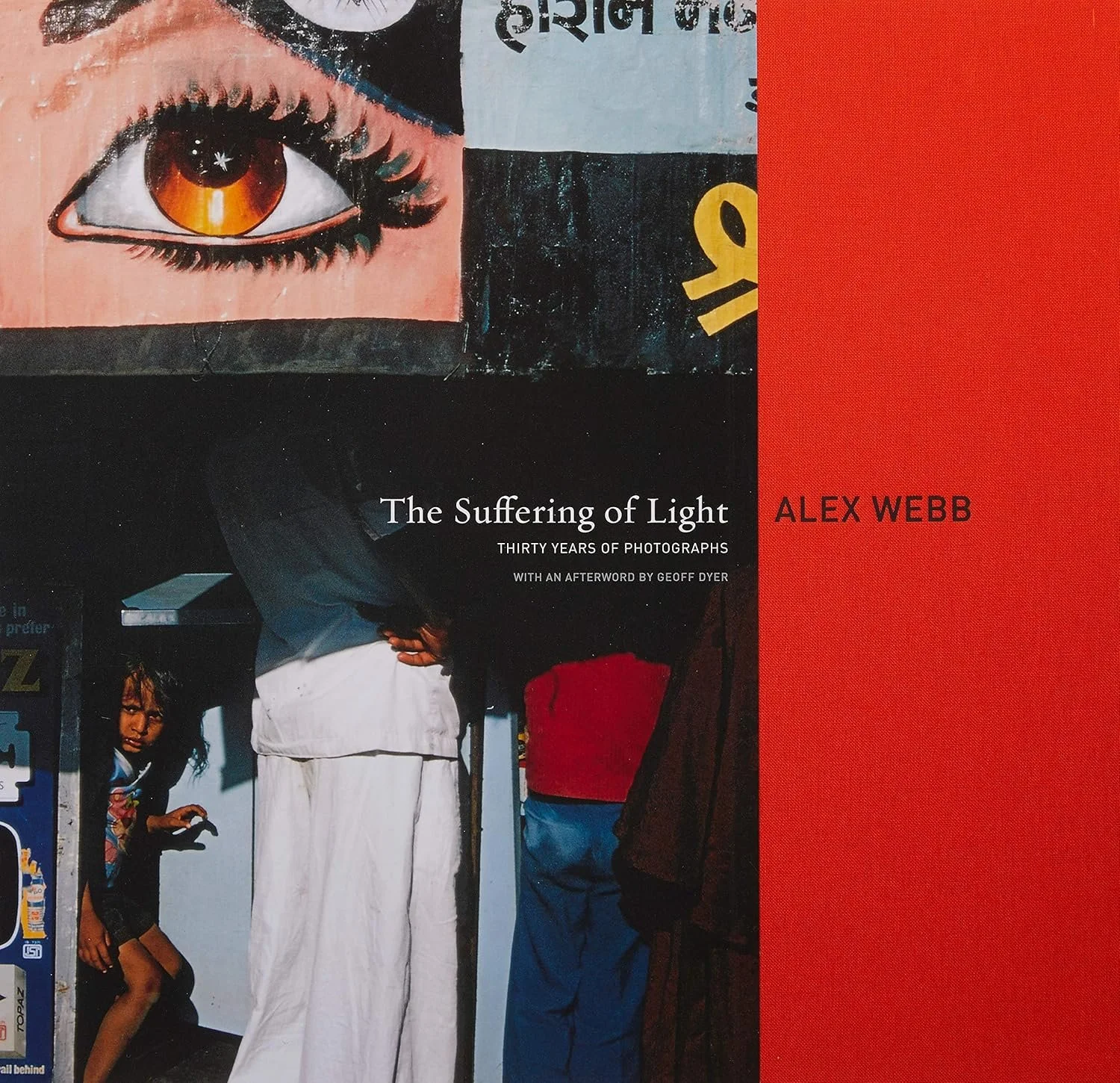
Alex Webb’s “The Suffering of Light,” from Aperture
Where Frank excelled in monochrome grit, Alex Webb redefined the possibilities of color. The Suffering of Light is a masterclass in complex compositions and the dramatic use of light and shadow, primarily throughout Latin America and the Caribbean.
The Style: Dense, layered frames where multiple stories happen simultaneously. He often uses high-contrast "Chiaroscuro" lighting.
The Lesson: Webb challenges street photographers to look past the first layer of a scene. He teaches us patience—waiting for that split second where disparate elements in the foreground and background align into a perfect, complex puzzle.
3. Ernst Haas: New York in Color
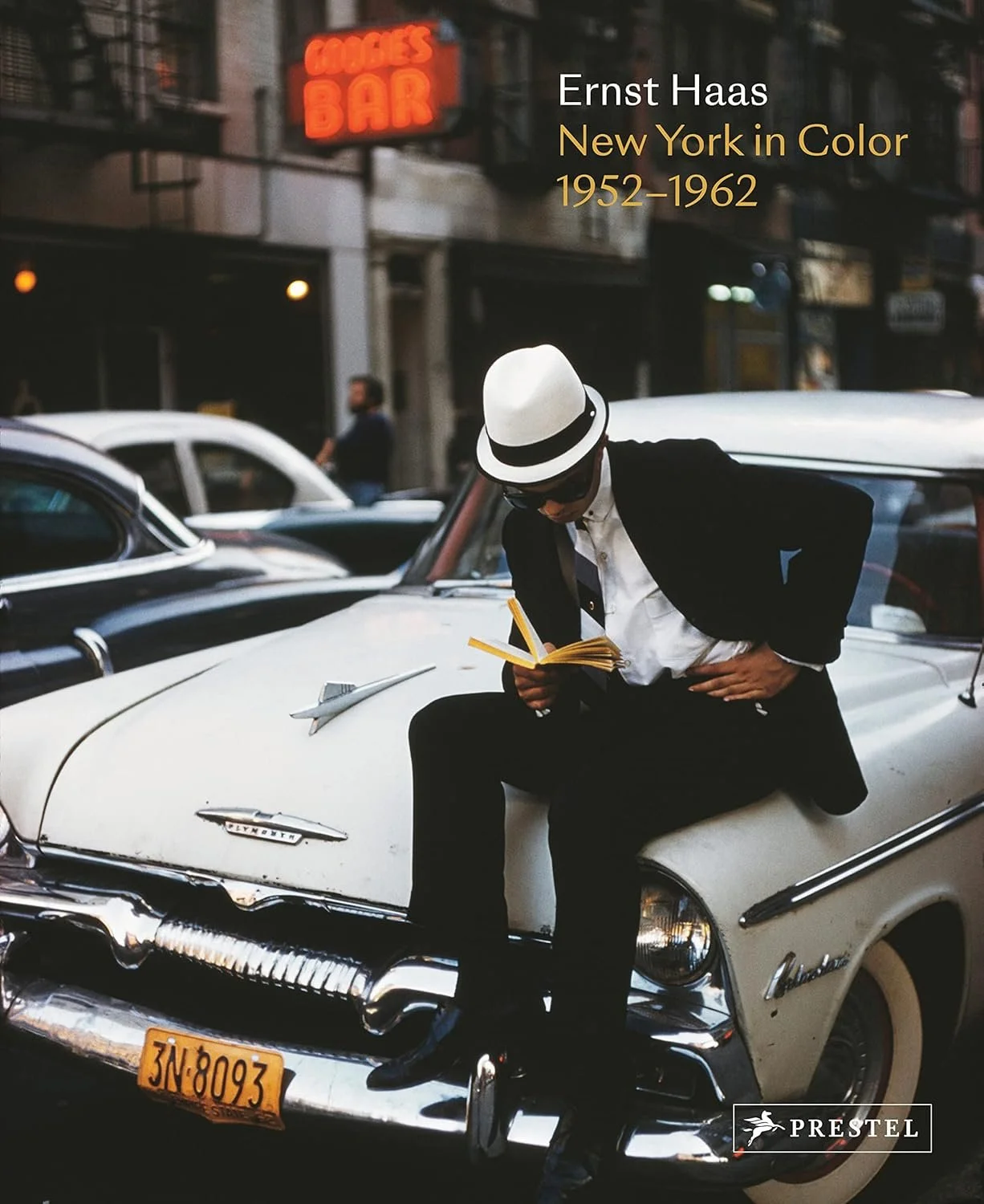
Ernst Haas’ “New York in Color” from Prestel
Ernst Haas was a pioneer who treated color as a subject in itself rather than just a technical detail. His work in New York City during the 1950s and 60s transformed the mundane into the poetic.
The Style: Atmospheric, painterly, and often experimental. Haas was famous for using slow shutter speeds to create motion blur, turning yellow taxis and neon lights into streaks of pigment.
The Lesson: Haas proves that street photography can be abstract. He encourages us to experiment with shutter speed and reflections to capture the "vibe" of a city rather than just its literal appearance.
Haas proves that street photography can be atmospheric and emotional rather than purely documentary. Weather, motion, and light can transform an ordinary street into something cinematic—something I experienced while shooting street photography in Washington DC during a snowstorm.
Similarities & Differences
While these three masters differ vastly in aesthetic, they share a common thread: intentionality. None of them were interested in "standard" beauty; they were searching for a personal truth.
Frank vs. Webb: Frank’s work is about the social soul of a nation, often feeling heavy and grounded. Webb’s work feels more like a fever dream, where the heat and light of the environment dictate the composition.
Haas vs. Webb: Both are color masters, but while Webb seeks geometric complexity and "the decisive moment," Haas often seeks the "painterly moment," focusing on texture and fluid motion.
Influence on Today’s Photography
You can see Robert Frank’s influence in the "lo-fi" and film-revival movements on Instagram, where authenticity trumps sharpness. Alex Webb’s "layered" style is the gold standard for many contemporary street collectives, while Haas’s abstract techniques are echoed in the works of photographers who use ICM (Intentional Camera Movement) to find beauty in the urban blur.
How to Learn From Them
From Frank: Shoot with your heart, not just your eyes. Don't delete a photo just because it’s grainy or out of focus if it captures a genuine emotion.
From Webb: Practice "filling the frame." Look at the corners of your viewfinder and try to find a secondary point of interest in the background.
From Haas: Don't be afraid of color. Look for bold palettes and try slowing down your shutter to 1/15th of a second to see how the city "melts."